Boats and Sampans – The “Legs” and the Soul of Life in the Mekong Delta
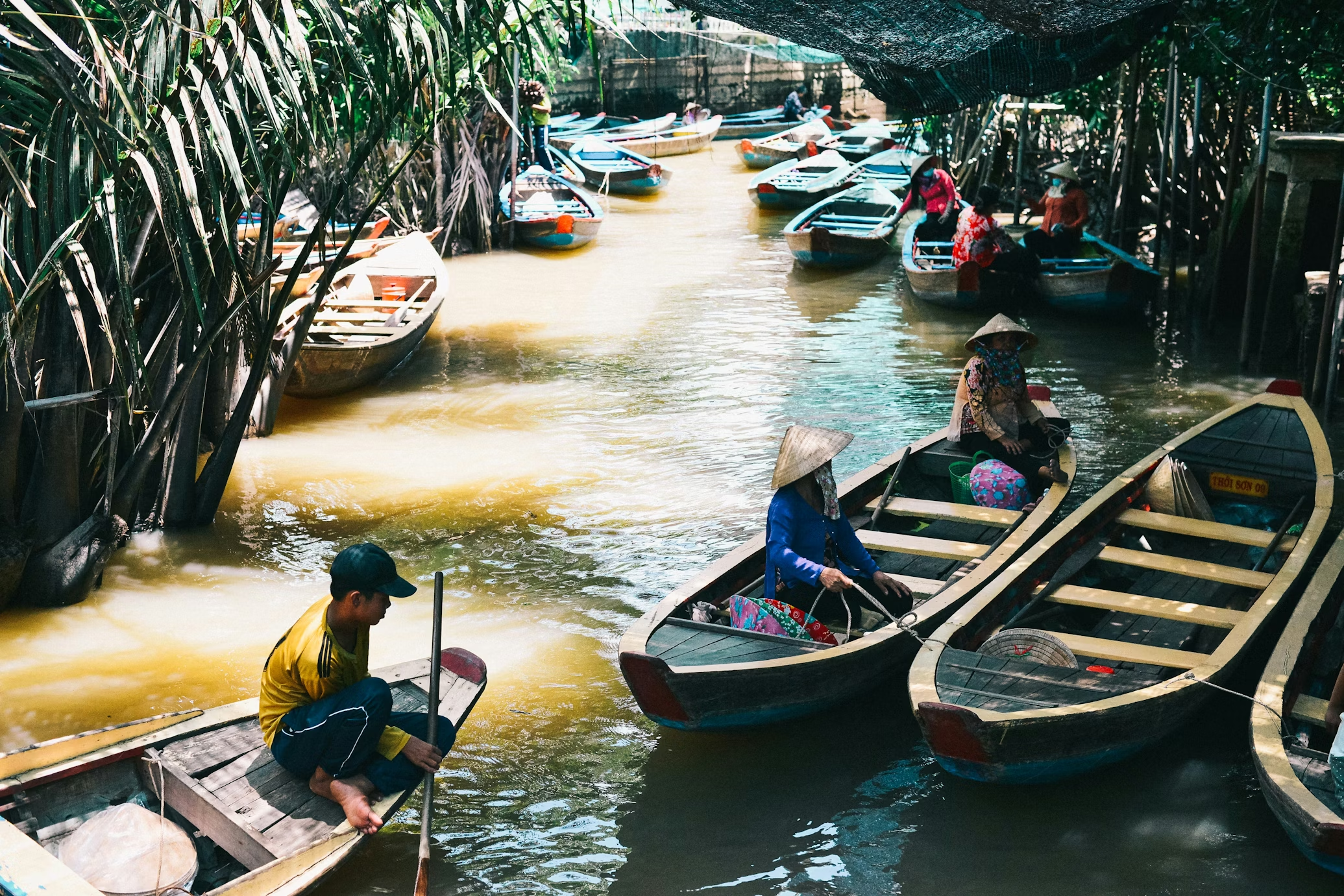
In the Mekong Delta, where water covers much of the landscape, the image of a wooden boat gliding under paddle or the familiar “put-put” sound of a small motorized sampan is inseparable from daily life. For local people, living without a boat is much like urban dwellers living without legs or personal transportation-daily activities would nearly come to a standstill.
1. Diversity Shaped by Skillful Hands
To adapt to different waterways, terrains, and purposes, the people of the Mekong Delta have created dozens of boat and sampan types, each with its own characteristics.
-
Three-plank sampan (xuồng ba lá):
The most common and iconic vessel. Slim, lightweight, and assembled from three wooden planks, it can navigate narrow canals, flooded rice fields, and submerged melaleuca forests with ease. -
Cargo boats (ghe bầu, ghe chài):
These are the “giants” of the river, built to carry heavy loads of rice, salt, or construction materials across provinces. -
Ghe Ngo:
More than a means of transport, the Ghe Ngo is a spiritual and cultural symbol of the Khmer community, appearing prominently in vibrant boat races during the Oóc Om Bóc festival.
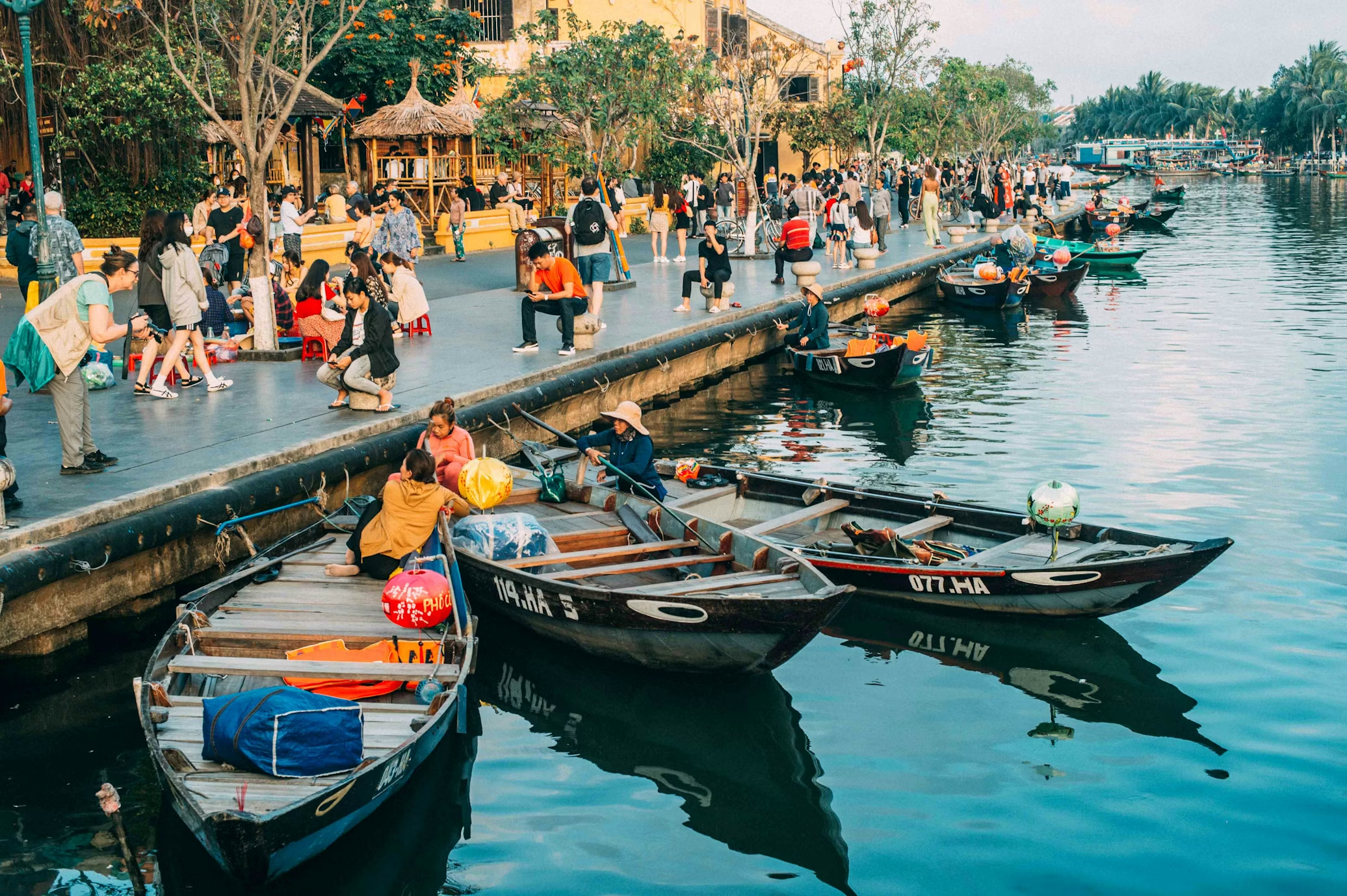
Morning light settles over the river as daily life begins to unfold along the water’s edge.
2. When the Boat Is Home and the River Is Homeland
For many river traders, the boat itself is a floating home. Within the narrow space of a hull, everything is carefully arranged-from the cooking stove and sleeping area to the ancestral altar.
Generations of Mekong Delta residents have lived their lives on water: children born in boat cabins, growing up with waves, and maturing through endless river journeys. A boat moored by the riverbank at dusk, with smoke rising from its stove, creates a uniquely warm and peaceful image-an intimate testament to the deep bond between people and the river.
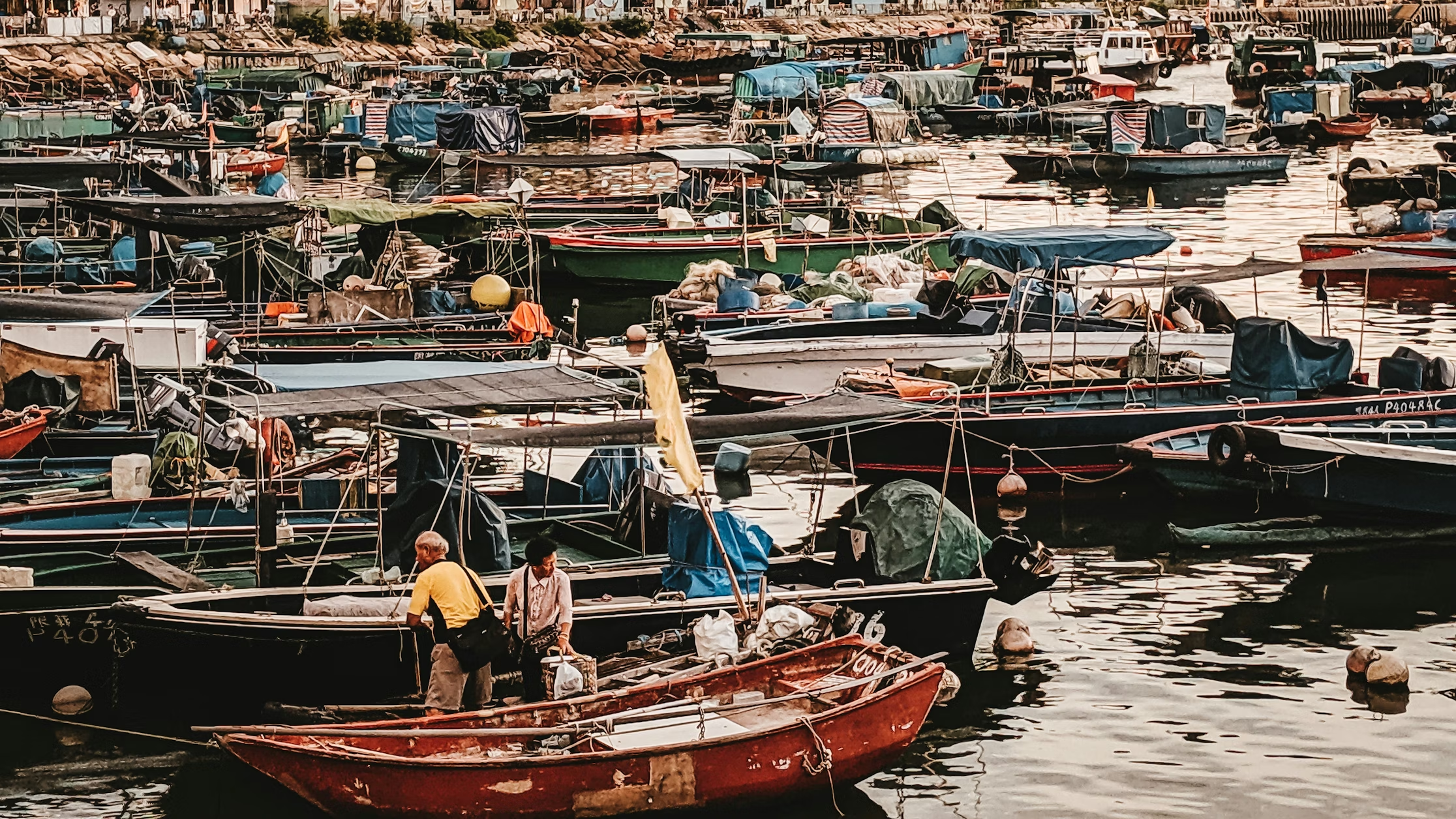
On the water, movement replaces roads – trade, travel, and community shaped by the current.
3. Renowned Traditional Boat-Building Villages
From this essential need emerged boat-building villages that have flourished for centuries. Places such as Ba Dai (Dong Thap) and Rach Chanh (Long An) became legendary handcrafted “workshops” of the delta.
Each boat is not merely a technical product of wooden planking and caulking, but a culmination of hydrological knowledge. Builders must calculate how to make a boat light enough to glide over water yet stable enough to carry heavy cargo. The custom of painting “boat eyes”—believed to help vessels see their way and avoid water spirits-adds a distinctive spiritual element to this craft.
4. Witnesses to a Culture of River Trade
Without boats, there would be no world-famous floating markets. Boats turn rivers into marketplaces, where goods are exchanged directly from one vessel to another. They serve as vital links, carrying orchard produce to urban centers and bringing modern necessities back to remote areas.
Boats also appear in folk songs and love ballads, serve as meeting places for young couples, and even become unique “wedding vehicles” in traditional river weddings-deeply woven into the cultural fabric of the region.
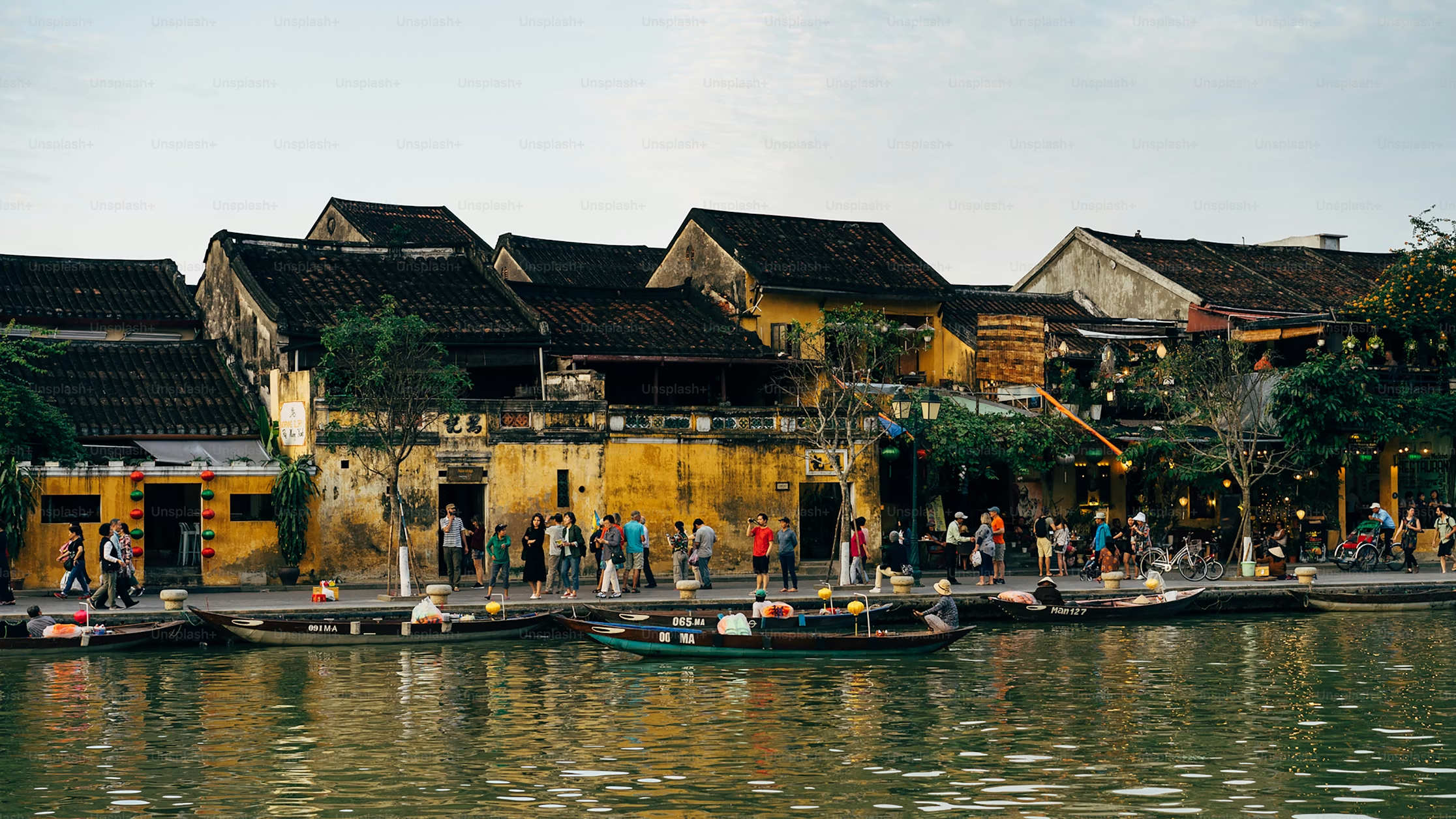
A quiet stretch of river where boats glide past stilt houses and coconut palms, reflecting the slow rhythm of the Delta.
5. Transformation in a Changing Era
Today, as concrete bridges rise and paved roads connect villages, the role of boats has inevitably evolved. Hand paddles are gradually replaced by long-tail motors for greater speed, and many families have moved from river to land-based living.
Yet boats have never lost their core value. They have adapted, becoming vessels for tourism, carrying visitors to explore the gentle beauty of the Mekong Delta. No matter how modern life becomes, the sight of a small sampan gliding through melaleuca forests or fruit-laden boats drifting along canals remains an irreplaceable symbol of southern Vietnam.
Boats and sampans are more than physical objects-they are heritage. They reflect the adaptive intelligence and open-hearted spirit of the Mekong Delta people. To understand the boat is to understand why the people of the delta value relationships, resilience, and their enduring bond with the river. It is a civilization shaped by water, where every boat journey is a journey of connection and discovery.
From the Saigon River to the vast waterways of the Mekong, each journey offers a different perspective on the region’s landscapes, rhythms, and riverside life. Saigon Rivers provides a range of sightseeing and river cruise services, thoughtfully designed for those who wish to explore Vietnam’s waterways in a calm and personal way. For more information on available routes and experiences, guests are invited to visit the Saigon Rivers website.