The Mekong River – The Lifeblood That Shaped Southern Vietnam
There are rivers that are more than mere geographical features. They are currents of history, shaping landscapes and nurturing entire civilizations. The Mekong River is one such river. Beginning its majestic journey in the Tibetan Plateau, winding through six countries before reaching Vietnam, it carries not only water and fertile silt, but also a spirit that has given birth to the Mekong Delta-known affectionately as Southern Vietnam’s western region.
What makes this river so extraordinary, and how has it shaped both the land and its people?
The Mekong winding gently through green valleys.
A Journey of Creation – From Alluvial Silt to Delta
The story of Southern Vietnam begins with the Mekong’s most precious gift: fertile alluvium. Each year, the river tirelessly transports millions of tons of sediment and minerals from upstream. Thousands of years ago, when this region was still a shallow bay, these immense deposits of silt gradually accumulated through cycles of marine transgression and regression.
Layer by layer, the sediment filled the bay, steadily reclaiming land from the sea to form one of Southeast Asia’s most expansive and fertile deltas. Upon entering Vietnam, the Mekong divides into two main branches-the Tien River and the Hau River-before dispersing into nine estuaries flowing into the East Sea. This image of “Nine Dragons” inspired the name Cửu Long. The process of formation continues today, making this one of the youngest and most dynamic deltas in the world.
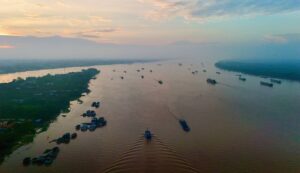
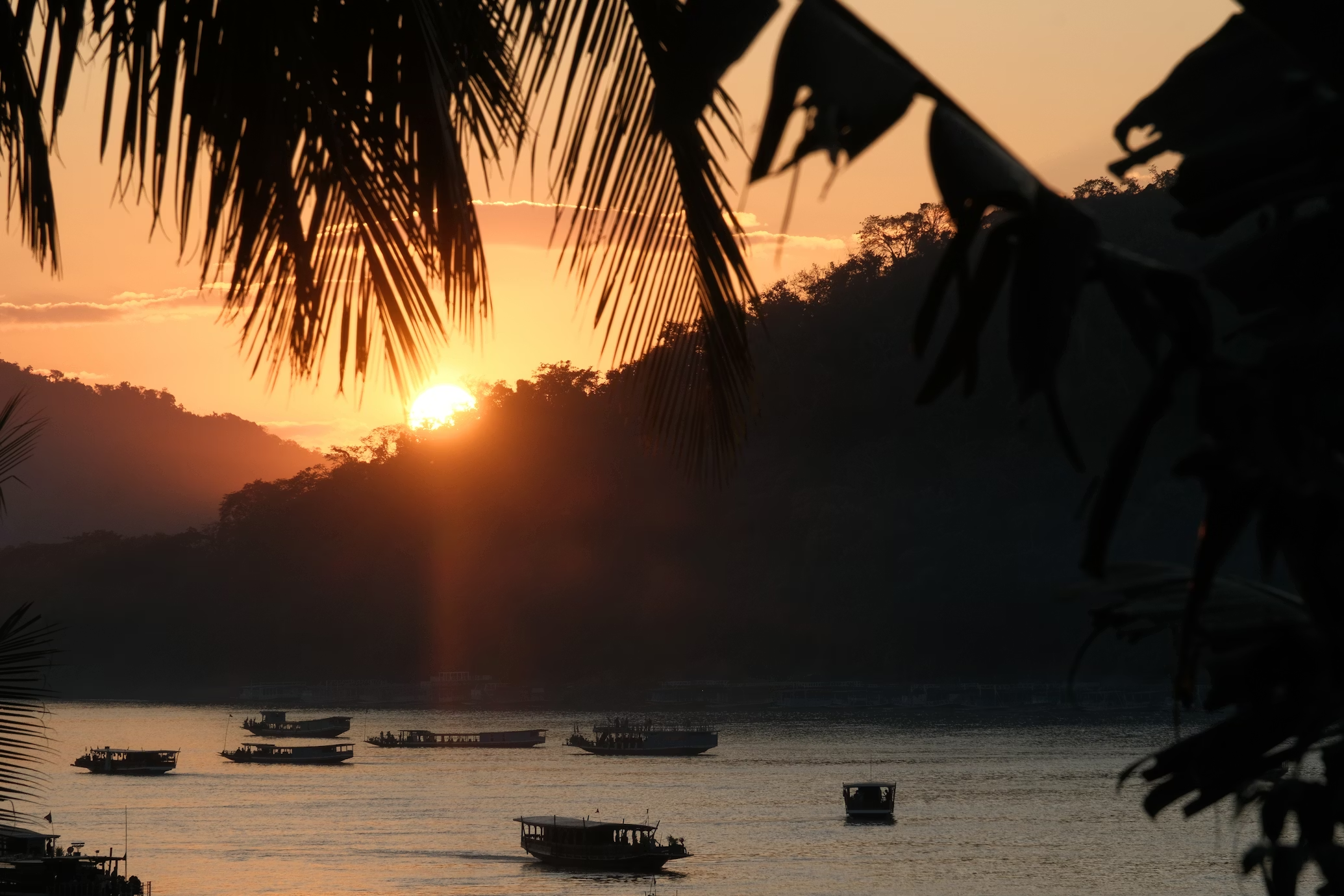
Sunset over the mighty Mekong, calm and endless.
The Lifeline of Culture and Economy
The alluvium not only formed the land-it seeded life and culture.
Foundation of abundance: The fertile soil deposited by the Mekong has transformed the Mekong Delta into Vietnam’s largest rice bowl, fruit-growing region, and aquaculture center, ensuring national food security and serving as a crucial economic pillar.
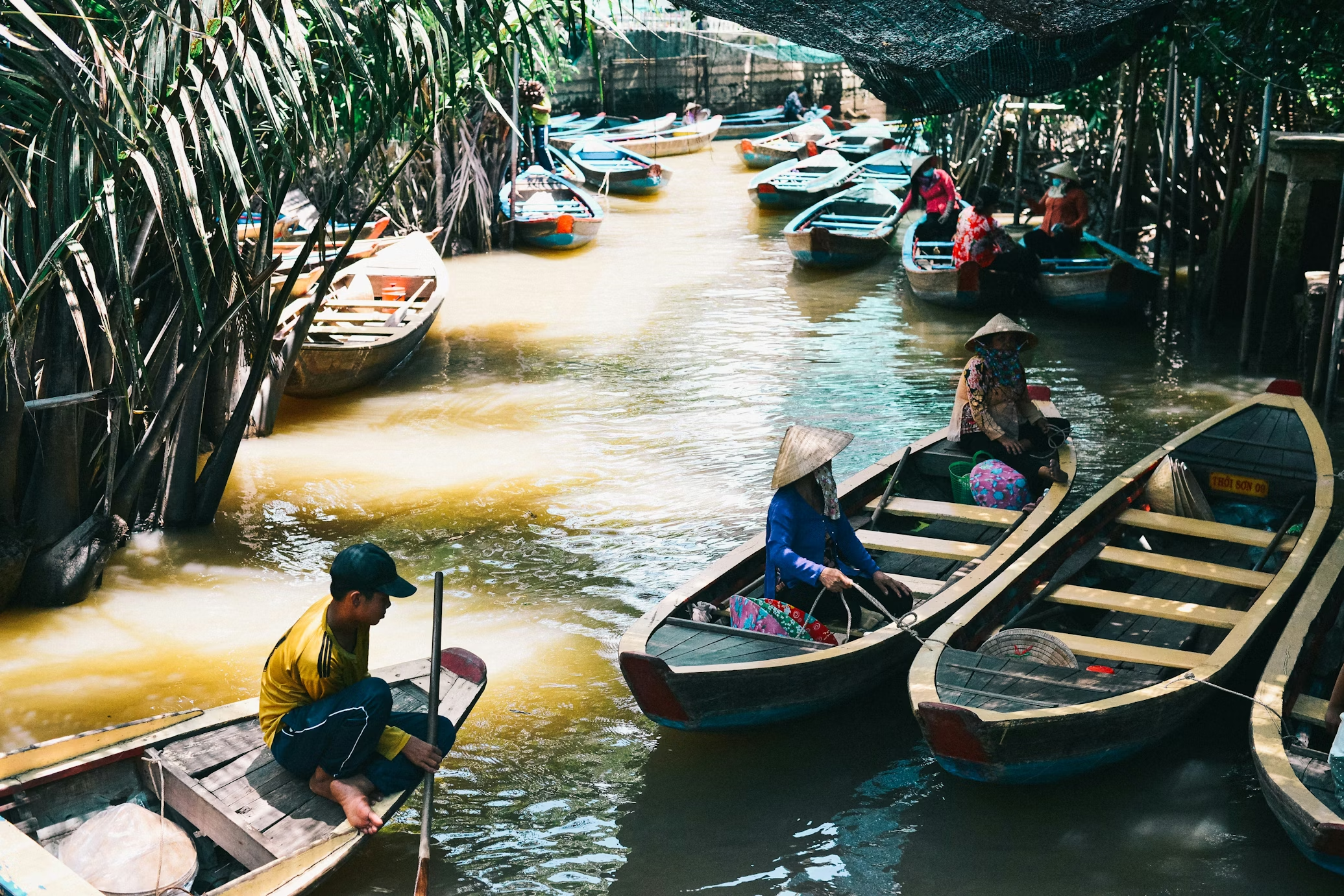
The waterways as roads: The dense network of rivers and canals is not an obstacle, but a vital transportation system. Boats and sampans serve as primary means of travel, connecting villages and towns while supporting vibrant trade activities.
The cradle of river culture: From this intimate bond with water emerged a distinctive riverine culture. Floating markets such as Cái Răng and Cái Bè are not merely trading hubs-they are living cultural spaces that reflect the rhythm of local life. Daily activities follow the tides. Homes line the riverbanks, and movement, commerce, and leisure all unfold on the water. Rather than resisting the river, people have learned to live in harmony with it.
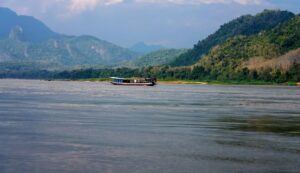
A peaceful cruise through nature’s untouched beauty.
The Soul of the River – A Confluence of Communities
The Mekong carries more than physical sediment; it also gathers and nurtures diverse communities. This region is home to Kinh, Khmer, Chinese, and Cham ethnic groups living together in harmony, forming a vibrant cultural mosaic.
On this river-nourished land, unique art forms such as Đờn ca tài tử were born and flourished, later recognized by UNESCO as an Intangible Cultural Heritage of Humanity. The river has also shaped the characteristic spirit of the western people-generous, open-hearted, hospitable, and highly adaptable to nature’s changes. This is the true “soul” of the river, embodied in its people.
Contemporary Challenges Along the Flow
Today, the mother river faces unprecedented challenges. Hydropower dams upstream have altered its natural flow, reducing sediment loads and fish stocks. Meanwhile, climate change has intensified saltwater intrusion, directly threatening agriculture and the livelihoods of millions.
Preserving the river’s “soul,” protecting biodiversity, and ensuring a sustainable flow are not solely concerns of the Mekong Delta-
they are shared responsibilities across the entire basin.
The Mekong’s journey is one of creation, nourishment, and protection. To understand its flow is to gain deeper insight into one of Vietnam’s most fertile and culturally rich regions.